
Services
The range of complete services, both residential and commercial
Services
from 250 lei*
Insect Control
Insect control represents the process by which the prevention of reproduction and elimination of all insects and parasites is pursued, through specific methods and with authorized equipment and substances.
from 250 lei*
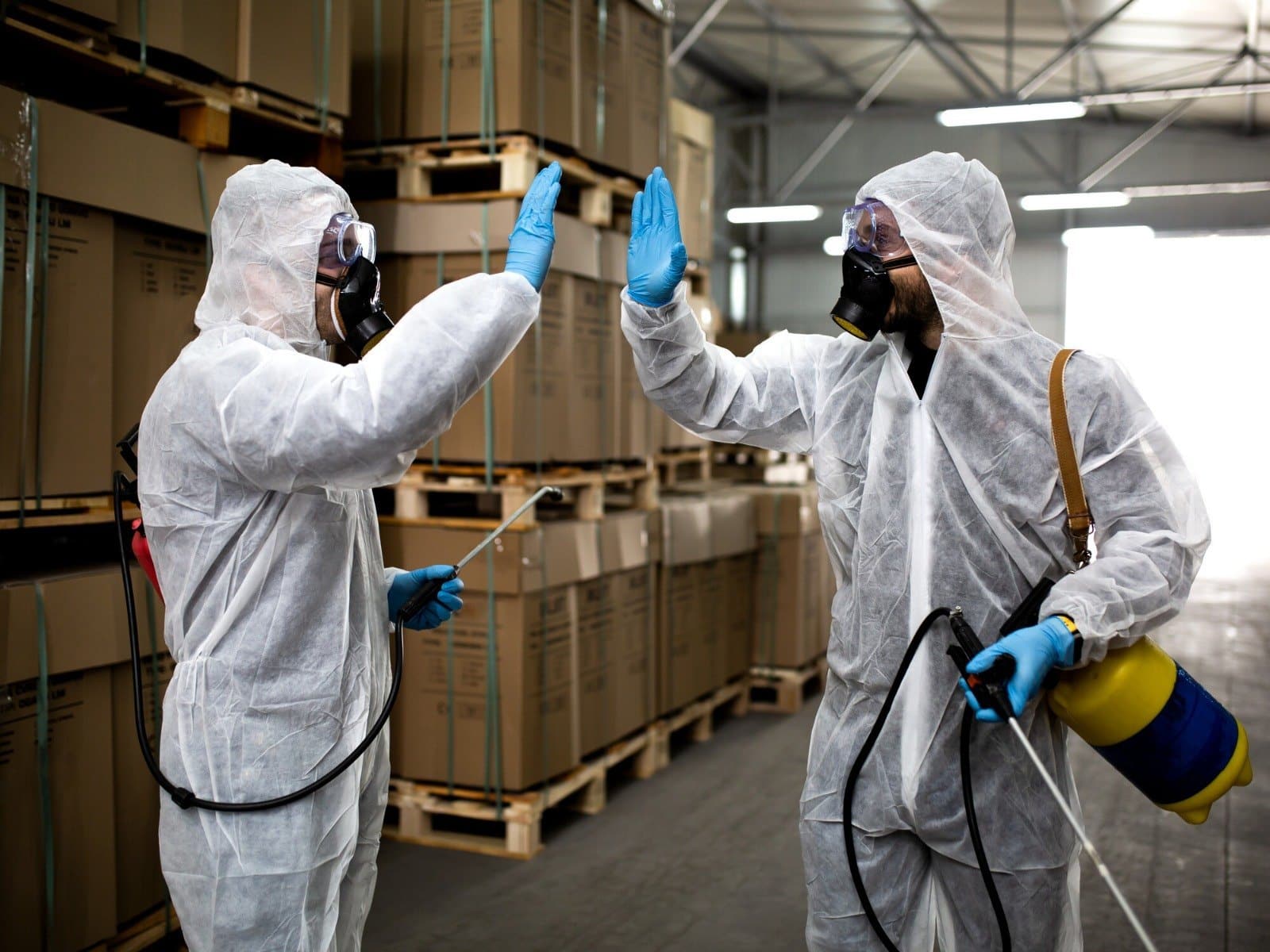
Disinfection
Disinfection is the process by which pathogenic microorganisms (bacteria, viruses, fungi) are destroyed on surfaces, objects or in the air, with the aim of preventing infections and ensuring a clean and safe environment
from 150 lei*
Pest control
Pest control represents the set of measures and actions taken to prevent, combat and eliminate rodents (mice, rats, roaches) from a certain space.
from 1.000 lei*
Cleaning
At the end of the operations: pest control, insect control or disinfection, it is essential to carry out a thorough cleaning to remove any traces of the products used and to ensure a safe and hygienic environment.
* The starting prices are valid for legal entities, after signing a collaboration contract for a minimum duration of 12 months
* Prices do not include VAT
Insect control
Insect control is the process of preventing the multiplication and elimination of all insects and parasites, by specific methods and only together with authorized equipment and substances. It is an essential service for maintaining a clean and healthy environment, both in residential, commercial or industrial spaces.
Types of insect control:
Curative (therapeutic) insect control: It is performed when there is a clear problem with insects or parasites and has a clear purpose of total elimination of all pests.
Preventive insect control: It is carried out periodically to prevent the appearance and multiplication of insects, thus creating a protective barrier.
Common insects combated by insect control
Cockroaches: From kitchen insects to forest insects, all species can be effectively controlled. Ants: Different species of ants, including those that invade homes.
Lice: Body, head and underwear lice can be eliminated by specific treatments. Fleas: Dog fleas, cat fleas and those that infest homes.
Mosquitoes: Mosquito control is essential for preventing bite-borne diseases.
Flies: Different species of flies, which can transmit bacteria and germs. Moths: Food and clothing moths can be eliminated through specific treatments.
Chemical
insect control: Specific insecticides are used for each type of insect, in the form of sprays, powders, gels or fumigants.
Physical insect control: It involves the use of mechanical methods to capture and eliminate insects, such as sticky traps or special vacuum cleaners.
Biological insect control: It is based on the use of biological agents, such as bacteria or parasites, to combat insect populations.
Integrated insect control: Combination of several methods to achieve the best results and reduce the impact on the environment.
Importance of insect control
Health: Insects can transmit infectious diseases, allergies and cause skin irritation.
Food safety: Insects can contaminate food and cause food poisoning.
Protection of property: Insects can damage furniture, clothing, and other property. Image: An insect infestation can affect the image of a business or home.
When is insect control necessary? Visible presence of insects: If you notice insects in or around your home, it’s time to contact a specialist.
Consequences of the presence of insects: Droppings, eggs, larvae or holes in furniture can indicate an infestation.
Bites or stings: If you or your family members are bitten or stung repeatedly. Allergies: If you have allergies to insect bites.
In order to benefit from professional insect control services, it is recommended to contact a specialized company. They will carry out an assessment of the problem and apply the most appropriate treatments to eliminate the infestation and prevent it from reappearing.
Disinfection
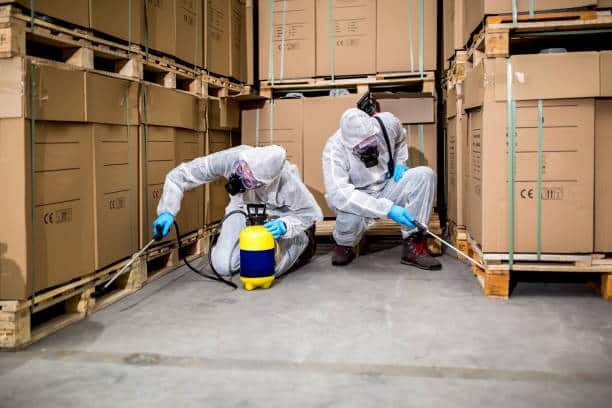
Disinfection is the process by which pathogenic microorganisms (bacteria, viruses, fungi) are destroyed from surfaces, objects or in the air, in order to prevent infections and ensure a clean and safe environment. This service is essential in various fields, from health and nutrition, to industry and public spaces.
Why is disinfection necessary?
Disease prevention: Microorganisms can cause a wide range of infectious diseases, from common colds to serious infections.
Ensuring hygiene: Disinfection contributes to maintaining a high level of hygiene in any environment.
Food protection: Prevents contamination of food with bacteria and other microorganisms.
Regulatory compliance: Many industries and sectors have strict hygiene and disinfection rules.
Disinfection methods
There are a variety of disinfection methods, each with its advantages and disadvantages:
Chemical disinfection:
Chlorine-based disinfectants: Effective against a wide spectrum of microorganisms, but can be corrosive and irritating.
Alcohol-based disinfectants: Fast acting, but can dry out skin and surfaces.
Hydrogen peroxide disinfectants: Effective, biodegradable and safe for most surfaces.
Physical disinfection:
Heat: Heat sterilization is an effective method for destroying all microorganisms.
Ultraviolet (UV) radiation: They destroy the DNA of microorganisms, but have limited penetrability.
Filtration: Removes particles and microorganisms from the air or liquids.
Plasma disinfection: An advanced technology that uses cold plasma to destroy microorganisms.
Applications of disinfection
Medical sector: Disinfection is essential in hospitals, clinics and doctors’ offices to prevent nosocomial infections.
Food industry: Disinfection of equipment, work surfaces and packaging is mandatory to ensure food safety.
Pharmaceutical industry: Disinfection is crucial in the production of medicines and cosmetics.
Public spaces: Schools, kindergartens, public transport, hotels and restaurants require periodic disinfection.
Housing: Disinfection may be necessary in case of epidemics or after an infestation with certain types of microorganisms.
Why choose a specialized company for disinfection?
Expertise: Specialized companies have the knowledge and equipment necessary to carry out effective and safe disinfection.
Professional products: Use approved disinfectants and biocides with proven effectiveness.
Personalized planning: Adapt treatments to the specifics of each space and the type of contamination.
Safety: It complies with all safety regulations and protects the health of people and the environment.
In conclusion, disinfection is an essential service for maintaining a healthy and safe environment. By choosing a specialized company, you can benefit from a professional and effective disinfection that will protect you and your loved ones.
Pest control
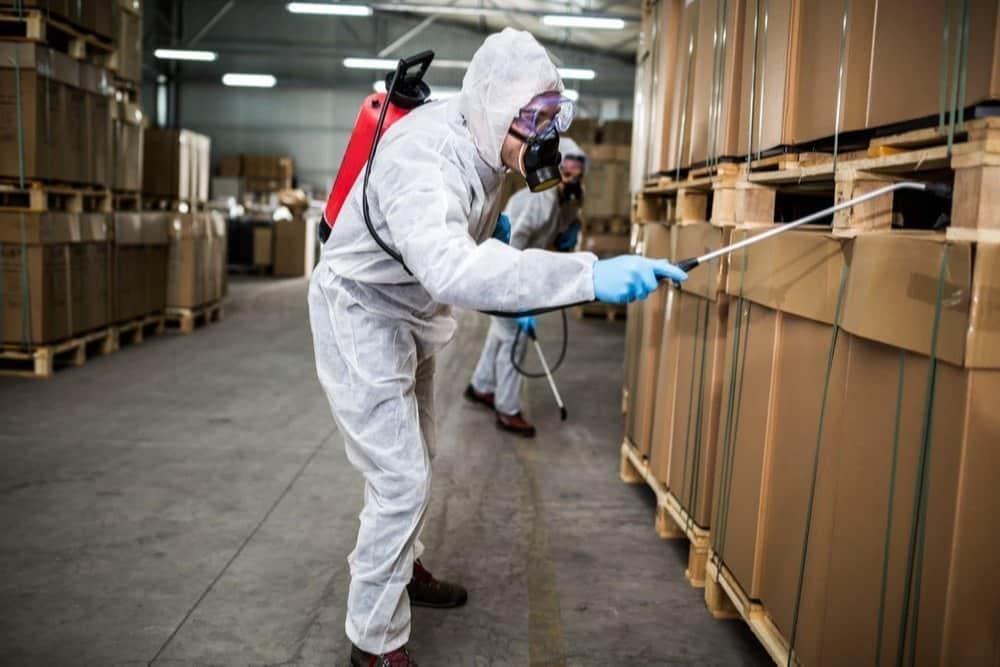
Pest control is the set of measures and actions taken to prevent, combat and eliminate rodents (mice, rats, harciog) from a certain space. These pests not only cause significant material damage, but can also transmit a number of infectious diseases to both humans and animals.
Why is pest control important?
Health: Rodents are carriers of diseases such as leptospirosis, salmonellosis, hantavirus, and trichinosis.
Material damage: Rodents can damage building structures, electrical installations, insulation, and contaminate food and products.
Image: A rodent infestation can damage the reputation of a business or home.
Pest control methods:
There are several methods of pest control, each with its advantages and disadvantages:
Chemical deratization: Involves the use of rodenticides (rodent poisons) in the form of baits, granules or powders. It is an effective method, but it must be used with caution, following the instructions on the label.
Physical deratization: It is based on the use of mechanical or glue traps, as well as ultrasonic devices. It is a less effective method in the case of large infestations, but it can be useful for monitoring and control.
Biological pest control: It involves the use of natural predators of rodents, such as birds of prey or snakes. This method is more environmentally friendly, but requires specific conditions and may be less effective in urban environments.
Phases of pest control
Infestation assessment: Identify rodent species, extent of infestation, and places of shelter and feeding.
Treatment planning: The most appropriate pest control method is chosen according to the specifics of each case.
Application of treatment: Place baits, traps or other devices in places where rodents are active.
Monitoring and evaluation: The effectiveness of the treatment is periodically checked and adjusted if necessary.
When is pest control necessary?
Visible presence of rodents: If you notice traces of rodents (droppings, traces of redness, holes in the walls), it is a clear sign of infestation.
Hearing noises produced by rodents: Squeaks in walls or ceilings may indicate the presence of rodents.
Damage to goods: Holes in food packaging, broken cables, or damaged furniture are signs of rodent activity.
Why choose a specialized company for pest control?
Expertise: Specialized companies have the knowledge and equipment necessary to carry out effective and safe pest control.
Professional products: Use approved and safe rodenticides for humans and pets.
Personalized planning: Adapt treatments to the specifics of each space and the type of infestation.
Safety: It complies with all safety regulations and protects the health of people and the environment.
In conclusion, pest control is an essential service for maintaining a healthy and safe environment. By choosing a specialized company, you can benefit from professional and efficient pest control that will protect you and your loved ones from the negative effects of rodent infestations.
Cleaning after pest control, insect control or disinfection: An essential step for a healthy environment
After a specialized team has carried out a rat control, disinfestation or disinfection operation, it is essential to carry out a thorough cleaning to eliminate any trace of the products used and to ensure a safe and hygienic environment.
Why is post-treatment cleaning important?
Residue removal: Chemicals used during treatments can leave residue on surfaces. Cleaning eliminates these residues, preventing accidental contact with them.
Prevention of poisoning: If products are not properly removed, there may be risks of poisoning for humans and pets.
Ensuring the effectiveness of the treatment: Proper cleaning allows the products used to act optimally, thus ensuring the success of the treatment.
Environmental restoration: Cleanliness brings the space back to its original appearance and eliminates any unpleasant odor.
What does cleaning after treatment involve?
Waiting for the action time: It is important to follow the action time recommended by the manufacturer of the products used to allow them to take effect.
Ventilation of the space: After the expiration of the action time, the space must be properly ventilated to remove the vapors of the chemicals.
Removal of baits and traps: All baits and traps used during rat control must be collected and disposed of safely.
Washing surfaces: All surfaces with which chemicals have come into contact should be washed with warm water and detergent.
Cleaning objects: Objects that have been in contact with chemicals should be washed or wiped with a damp cloth.
Vacuuming and mopping floors: Floors should be thoroughly vacuumed and wiped with a disinfectant solution.
Precautions
Gloves and goggles: It is recommended to wear gloves and goggles during cleaning.
Protective clothing: It is recommended to wear protective clothing and change it after the cleaning is finished.
Proper ventilation: Ensure good ventilation during and after cleaning.
Keeping chemicals out of reach of children and pets: Chemicals used during treatment should be kept in a safe place away from children and pets.
Why use a specialized company for cleaning after treatment?
Experience: Specialized companies have the necessary experience to perform a thorough and safe cleaning.
Professional products: Use professional, safe and effective cleaning products.
Appropriate equipment: They have the necessary equipment for a quick and efficient cleaning.
Warranty: Provides warranty for the services provided.
In conclusion, cleaning after rat control, disinfestation or disinfection is an essential step to ensure a healthy and safe environment. By following these recommendations and calling a specialized company, you can be sure that your space is clean and protected.


